
The Hardest Comeback No One Cheers For
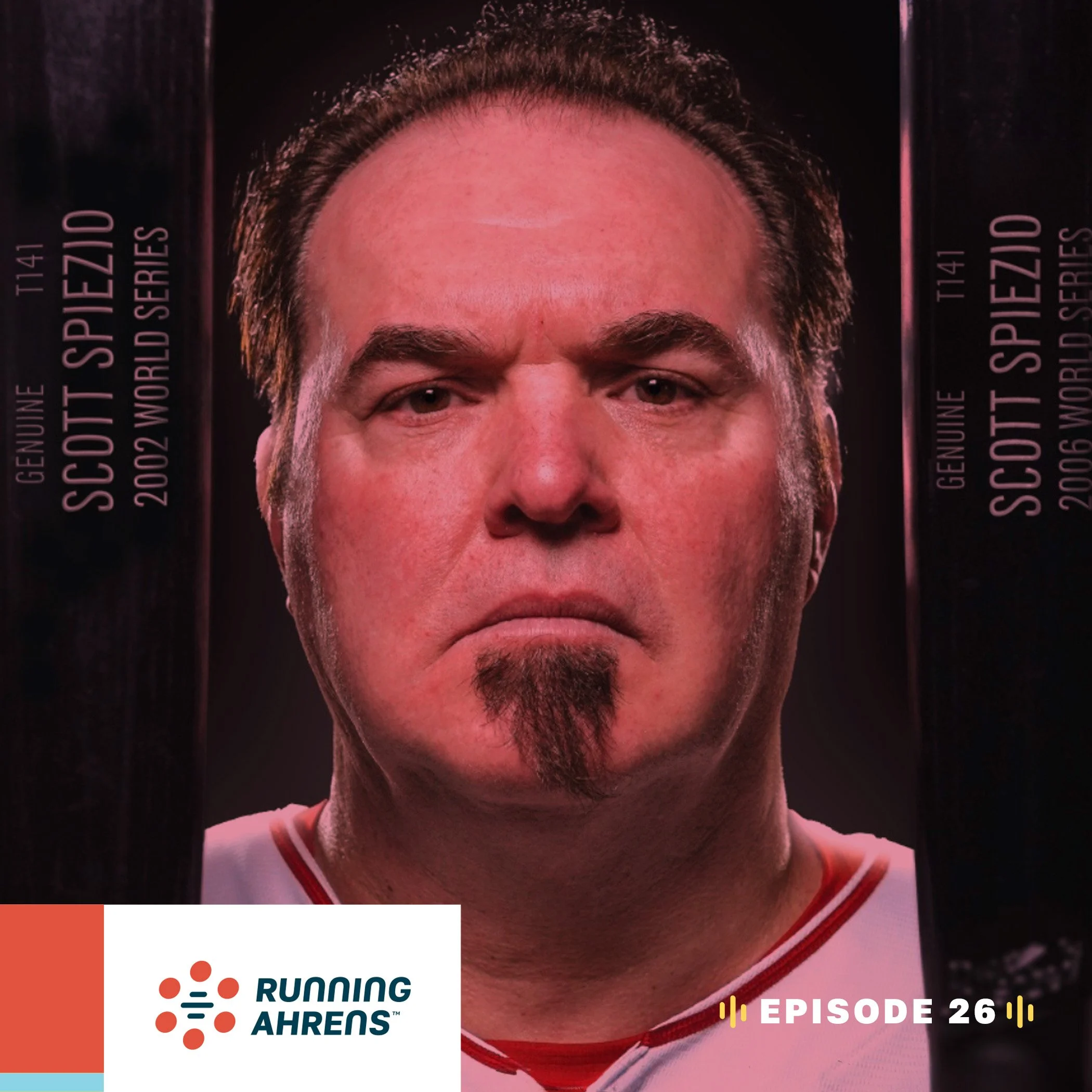
Scott Spiezio on Baseball, Addiction, Faith, and Finding His Way Home
In this episode, Justin sits down with two-time World Series champion Scott Spiezio for an honest conversation about baseball, success, addiction, faith, family, and the comeback that mattered most.
Justin and Scott’s connection goes back to high school, when they played against each other in basketball and shared many of the same friends through baseball. That history brings a personal dimension to this conversation about the life Scott built, nearly lost, and ultimately began rebuilding.
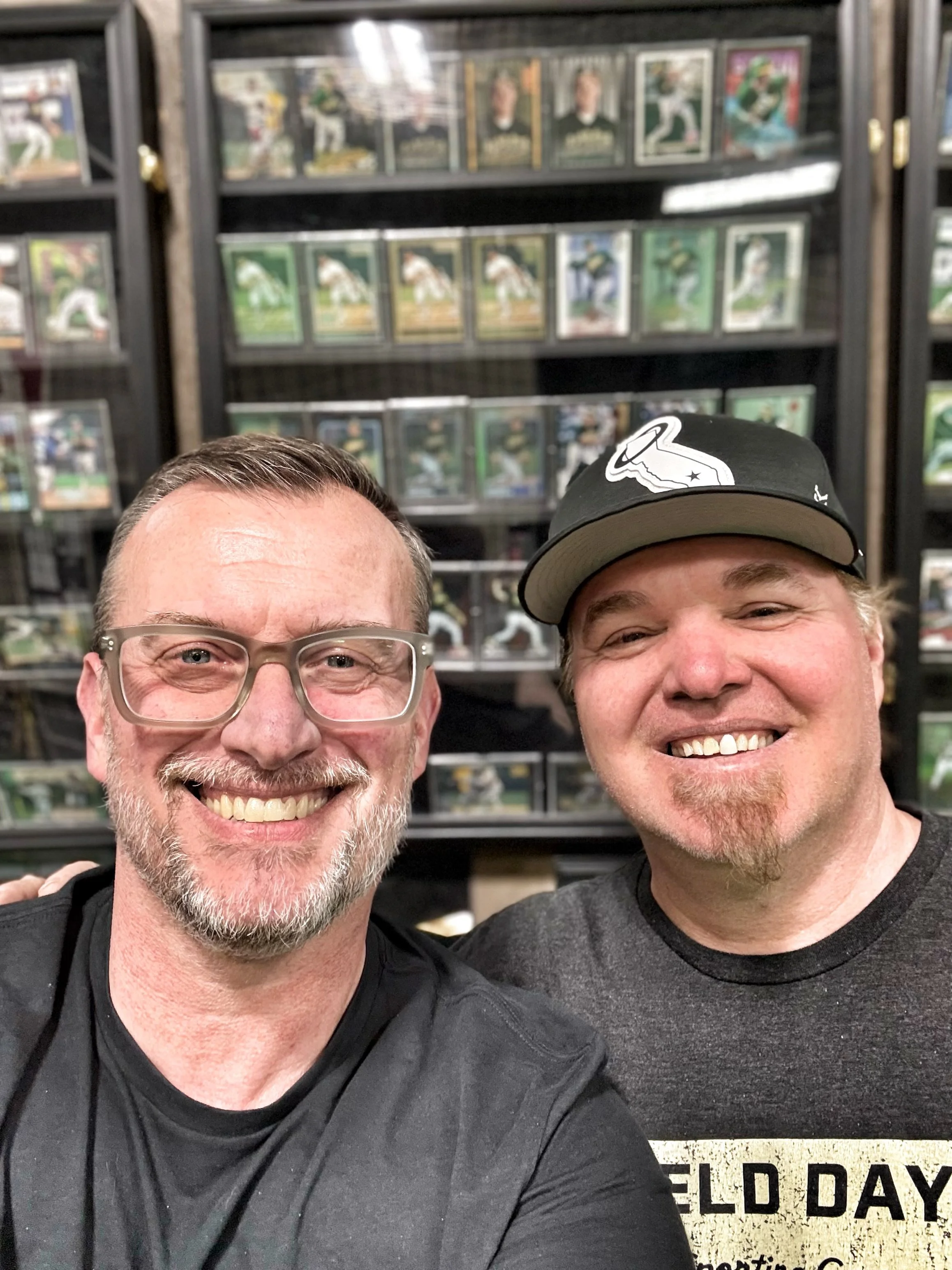
This was a great day to reconnect and hear Scott’s Story
Scott grew up in Morris, Illinois, with baseball woven into nearly every part of his childhood. His father, Ed Spiezio, played nine seasons in the major leagues and won two World Series titles with the St. Louis Cardinals. From the time Scott was three years old, his father trained him with a clear goal in mind: getting to the major leagues was one thing, but staying there was another.
That preparation worked.
Scott played 12 seasons in Major League Baseball with the Oakland Athletics, Anaheim Angels, Seattle Mariners, and St. Louis Cardinals. He won two World Series championships and produced one of the most unforgettable moments in baseball history.
In Game 6 of the 2002 World Series, the Angels were down 5–0 and only eight outs away from elimination. The Giants were already preparing their clubhouse celebration. Then Scott stepped to the plate.
After an eight-pitch battle, he hit a three-run home run that brought the Angels back to life. The team completed the comeback, won Game 7, and captured the first World Series championship in franchise history.
But reaching the top did not bring the peace or clarity Scott expected.
The attention, opportunities, and pressure disrupted the routines that had kept him grounded. Then a serious back injury in Seattle led to pain, depression, alcohol, and eventually drugs. Scott candidly shares how addiction gradually took control of his life, damaged his relationships, consumed his fortune, and nearly killed him.
He went through 11 rehabilitation programs in 10 years. He experienced two divorces, estrangement from his parents, and the end of his baseball career. Even when he wanted to stop, he could not find his way out.
Then, in April 2018, his organs began shutting down. Doctors gave him only a 20 percent chance of survival.
Scott describes crying out to God and asking for his cravings to be taken away. April 6, 2018, became his first day of sobriety. Eight years later, he remains sober.
What followed was not one dramatic leap back into life. It began quietly. Scott picked up sticks in his yard. He started attending his children’s games. He returned to church, rebuilt relationships with his family, began coaching young athletes, and slowly found a new purpose in sharing his story.
Scott also reflects on his relationship with his father, including the remarkable moment when Ed surprised him by presenting his 2006 Cardinals World Series ring. They became the only father and son to win World Series championships with the same organization.
This conversation is about the hidden cost of success and the danger of losing the routines, relationships, and beliefs that keep us grounded.
It is also about grace, accountability, and the possibility of rebuilding a life one decision at a time.
Scott’s story is now told in his memoir, The Hardest Comeback, and the new feature-length documentary, Spiezio, arriving in select theaters on September 10.
As Scott explains, the home run was a historic comeback. Sobriety, reconciliation, and rediscovering his faith became the hardest comeback.
Takeaways & Talking Points:
• What happens when achieving your greatest dream still leaves you searching for purpose
• How a serious injury, depression, and isolation opened the door to addiction
• The routines, relationships, and faith that success slowly pulled Scott away from
• Why asking for help felt like weakness, and what that belief ultimately cost him
• The reality of relapse, including 11 rehabilitation programs over 10 years
• The health crisis that gave Scott a 20 percent chance of survival
• How sobriety, family, coaching, and faith gave Scott a new reason to share his story
Things We’re Learning and Unlearning:
• Success does not protect us from pain, loneliness, or addiction
• Reaching a lifelong goal can create an unexpected crisis of identity and purpose
• Asking for help is an act of courage, not weakness
• Recovery rarely follows a straight line, and relapse does not eliminate hope
• Boundaries can be one of the most loving things a family offers
• Rebuilding a life often begins with small, ordinary acts
• Our worst chapter may become the story that helps someone else survive theirs
This episode is for anyone who has reached a goal and wondered why it did not feel the way they expected.
It is for anyone navigating addiction, recovery, depression, broken relationships, shame, or the difficult work of beginning again.
It is also for the families and friends who continue loving someone while learning they cannot do the work of recovery for them.
Scott Spiezio’s story does not avoid the darkness. It shows us what can happen when someone survives it, accepts help, rebuilds what was broken, and uses the story to offer hope to others.
It’s about baseball and belief. Fathers and sons. Success and its hidden costs. Falling apart, finding solid ground, and discovering that it is never too late to make the hardest comeback.
Thanks for listening,
Justin and Sarah
#RunningAhrens #ScottSpiezio #TheHardestComeback #SpiezioMovie #MLB #WorldSeries #AnaheimAngels #StLouisCardinals #AddictionRecovery #Sobriety #Faith #Redemption #MentalHealth #SecondChances #Baseball #PersonalGrowth #BeingHumanKind
Listen to the full episode: